
Goal: This project enables OPUS Cactus to develop an innovative digestion installation that produces biogas from cactus biomass more efficiently, despite the challenging composition and high water content of cacti.
Efficient and circular: biogas from cactus, made possible with the right funding
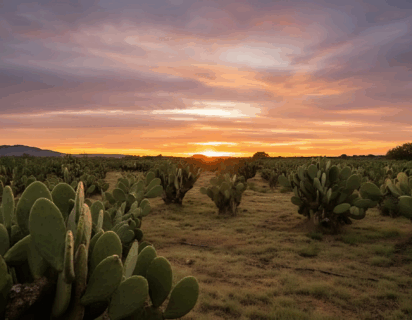
OPUS Cactus is focused on developing an innovative two-phase digestion process aimed at the biological conversion of cactus biomass into biogas. The project involves the development of customized bioreactors specifically designed to digest the complex cactus biomass. By dividing the process into two stages, the biomass can first be optimally broken down, after which biogas production is further maximized. This approach enables the creation of a stable and sustainable energy source from otherwise hard-to-utilize organic material, while also making productive use of arid soils that offer little agricultural potential.
What Enablemi did
WBSO program in context:


Enablemi supported us in navigating the complexity of the WBSO application and presenting our project in a compelling way. Their expertise and in-depth knowledge were invaluable to the success of our application.
Joeri van den bovenkamp – Hofman, Chief Executive Officer
The OPUS Cactus project contributes to the following Sustainable Development Goals (SDGs)


The win-win impact for OPUS Cactus
This project creates a win-win situation for OPUS Cactus, the region, and the environment. OPUS Cactus can now continue developing an innovative and sustainable energy source, leading to new employment opportunities and regional economic growth. At the same time, the project helps reduce dependence on fossil fuels and promotes a circular economy. The innovative technology can also be applied to other biomass streams in the future, further expanding its impact.
Want to learn more about projects like this? Ask Sven for advice.